Gatorade Zero vs Regular: Which Sports Drink Is Right for You?
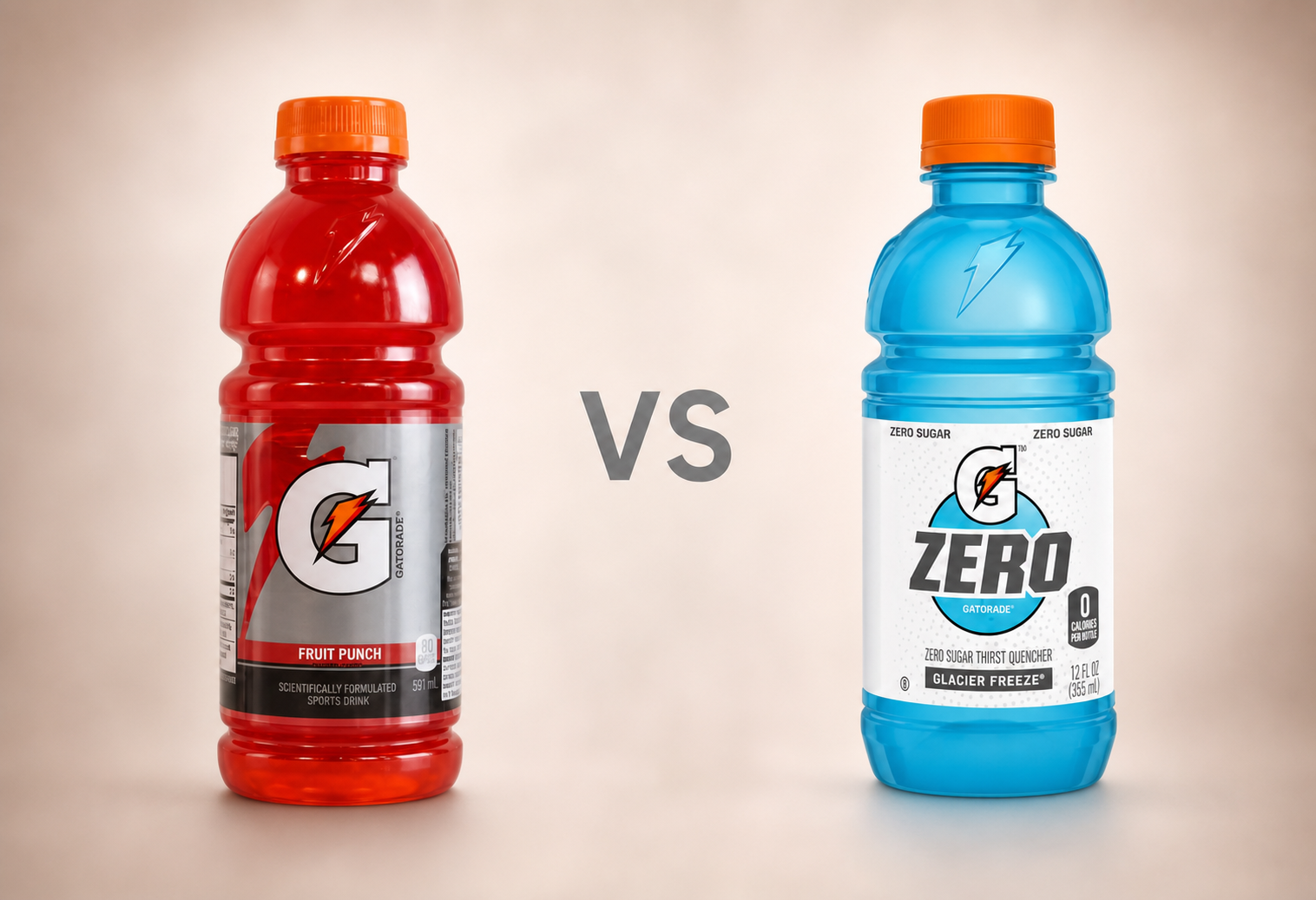
When it comes to staying hydrated during workouts, sports, or just everyday life, Gatorade has been the go-to name for decades. But with the launch of Gatorade Zero, many people are left wondering which version is actually better for them. If you’ve been searching for a clear comparison of Gatorade Zero vs Regular, you’ve come to the right place.
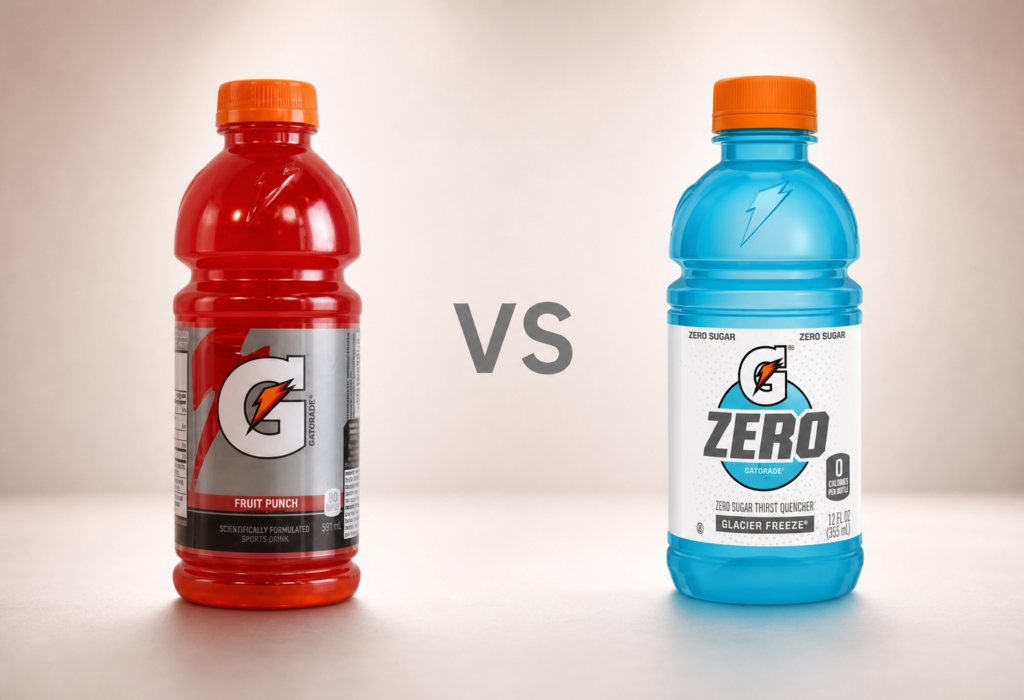
In this detailed Gatorade Zero vs Regular breakdown, we’ll compare both drinks side by side, covering everything from calories and sugar content to electrolytes, taste, ingredients, and real-world performance. Whether you’re an athlete, a casual gym-goer, or someone just trying to make smarter hydration choices, this Gatorade Zero vs Regular guide will give you all the facts, comparisons, and honest insights you need to pick the right sports drink for your goals, lifestyle, and training demands.
Table of Contents
Quick Comparison: Gatorade Zero vs Regular at a Glance
Before we dive into the details, here’s a quick side-by-side snapshot so you can see the key differences between Gatorade Zero vs Regular right away:
| Feature | Regular Gatorade | Gatorade Zero |
|---|---|---|
| Calories | 140 per 20 oz | 0 per 20 oz |
| Sugar | 36g | 0g |
| Carbohydrates | 36g | 1g |
| Sodium | 270mg | 270mg |
| Potassium | 75mg | 75mg |
| Sweetener Type | Sugar, Dextrose | Sucralose, Acesulfame Potassium |
| Keto Friendly | No | Yes |
| Best For | Prolonged, high-intensity exercise | Short workouts, calorie-conscious hydration |
| Hydration Speed | Slightly faster (sugar-assisted absorption) | Effective but without carb-enhanced absorption |
| Artificial Sweeteners | No | Yes |
| Ideal User | Endurance athletes, heavy sweaters, high-intensity trainers | Weight-conscious individuals, casual exercisers, keto dieters |
| Taste Profile | Sweeter, fuller-bodied, classic flavor | Lighter, crisper, slightly artificial aftertaste |
Now that you have the big picture, let’s break everything down in detail.
What Is Regular Gatorade?
Regular Gatorade, also known as Gatorade Thirst Quencher, is the original sports drink that has been around since 1965. It was originally developed by researchers at the University of Florida to help the school’s football team, the Gators, stay hydrated and maintain performance during intense training sessions in the Florida heat.
The original formula is designed to replace fluids, electrolytes, and carbohydrates lost during physical activity. It contains water, sugar, sodium, potassium, and other electrolytes that help the body rehydrate quickly and efficiently. Regular Gatorade has been the gold standard of sports hydration for over five decades, trusted by professional athletes, weekend warriors, and everyone in between.
A standard 20 oz bottle of Regular Gatorade contains approximately 140 calories, 36 grams of sugar, 270 mg of sodium, and 75 mg of potassium. The sugar in Regular Gatorade comes from a combination of sugar and dextrose, both fast-digesting carbohydrates designed to fuel working muscles during exercise.
What Is Gatorade Zero?
Gatorade Zero was introduced in 2018 as a sugar-free, zero-calorie alternative to the original formula. It was created for athletes and active individuals who want the electrolyte replenishment benefits of Gatorade without the added sugars and calories.
A standard 20 oz bottle of Gatorade Zero contains zero calories, zero grams of sugar, 270 mg of sodium, and 75 mg of potassium. Instead of sugar, Gatorade Zero uses artificial sweeteners like sucralose and acesulfame potassium to achieve its sweet taste without adding any calories.
Gatorade Zero was designed to fill a gap in the market for people who are watching their calorie intake, following low-carb or keto diets, or simply prefer a lighter sports drink without sacrificing the electrolyte benefits that made Gatorade famous.
Gatorade Zero vs Regular: Nutritional Comparison
Here is a more detailed nutritional comparison of Gatorade Zero vs Regular Gatorade based on a standard 20 oz serving:
| Nutrient | Regular Gatorade | Gatorade Zero |
|---|---|---|
| Calories | 140 | 0 |
| Total Sugar | 36g | 0g |
| Sodium | 270mg | 270mg |
| Potassium | 75mg | 75mg |
| Carbohydrates | 36g | 1g |
| Protein | 0g | 0g |
| Fat | 0g | 0g |
| Sweetener | Sugar, Dextrose | Sucralose, Acesulfame Potassium |
As you can see, the biggest difference between Gatorade Zero vs Regular comes down to two things: calories and sugar. The electrolyte content is virtually identical, meaning both versions deliver the same sodium and potassium to support hydration and fluid balance.
Calories and Sugar
This is the most obvious and significant difference in the Gatorade Zero vs Regular debate. Regular Gatorade packs 140 calories and 36 grams of sugar per 20 oz bottle, while Gatorade Zero contains zero calories and zero sugar.
For someone who is trying to lose weight, reduce sugar intake, or follow a calorie-restricted diet, Gatorade Zero is clearly the better option. Drinking two or three bottles of Regular Gatorade during a long workout or throughout the day can add up to over 400 calories and more than 100 grams of sugar, which can easily work against your fitness goals.
However, sugar is not always the enemy. During prolonged, high-intensity exercise lasting longer than 60 to 90 minutes, your body needs fast-digesting carbohydrates to maintain blood sugar levels and fuel performance. In these situations, the sugar in Regular Gatorade serves a functional purpose. It provides quick energy to working muscles, delays fatigue, and supports sustained performance during long training sessions, games, or endurance events.
If you’re doing a light workout, going for a short jog, or simply sipping a drink at your desk, the extra sugar and calories in Regular Gatorade are unnecessary. But if you’re running a marathon, playing a full soccer match, or grinding through a two-hour training session, that sugar becomes a valuable performance fuel.
Electrolytes
When comparing Gatorade Zero vs Regular in terms of electrolyte content, the two are essentially the same. Both versions contain 270 mg of sodium and 75 mg of potassium per 20 oz serving. This means both drinks are equally effective at replacing the electrolytes you lose through sweat during physical activity.
Sodium is the primary electrolyte lost in sweat and plays a crucial role in fluid balance, nerve function, and muscle contractions. Potassium supports proper cell function, heart rhythm, and muscle recovery. Whether you choose Gatorade Zero or Regular, you’re getting the same electrolyte support to keep your body functioning at its best.
Artificial Sweeteners
One area where Gatorade Zero may raise some concerns is its use of artificial sweeteners. Gatorade Zero uses sucralose and acesulfame potassium to replace sugar while maintaining a sweet taste. These sweeteners are FDA-approved and generally recognized as safe for consumption.
However, some health-conscious consumers prefer to avoid artificial sweeteners altogether. While extensive research has shown that sucralose and acesulfame potassium are safe in normal consumption amounts, some studies have raised questions about their potential effects on gut health, insulin response, and appetite regulation. The evidence is still inconclusive, and most major health organizations consider these sweeteners safe for the general population.
Regular Gatorade, on the other hand, uses real sugar and dextrose as its sweeteners. While this means more calories, it also means no artificial sweeteners, which some consumers consider a cleaner and more natural option.
This is a personal preference issue. If you are comfortable with artificial sweeteners and want to cut calories, Gatorade Zero is the way to go. If you prefer to avoid artificial ingredients and don’t mind the extra calories, Regular Gatorade may be a better fit.
Taste
Taste is subjective, but it’s a major factor in the Gatorade Zero vs Regular comparison. Both products are available in a wide range of popular flavors including Lemon Lime, Fruit Punch, Glacier Cherry, Cool Blue, Orange, and many more.
Regular Gatorade has a slightly thicker, sweeter, and more syrupy taste due to the sugar content. Many people who grew up drinking Gatorade are familiar with this classic flavor profile and prefer it.
Gatorade Zero has a lighter, crisper, and less sweet taste. Some users find it more refreshing, especially during or after a workout, while others feel it has a slight artificial aftertaste that comes with sugar-free beverages.
Overall, most consumers agree that both versions taste good, but the preference usually comes down to whether you enjoy a sweeter, fuller-bodied drink (Regular) or a lighter, cleaner-tasting option (Zero).
Hydration Performance
When it comes to actual hydration, both Gatorade Zero and Regular Gatorade are effective. The primary function of any sports drink is to replace fluids and electrolytes lost through sweat, and both versions accomplish this equally well thanks to their identical sodium and potassium content.
The key difference lies in the carbohydrate component. Regular Gatorade provides carbohydrates that can enhance fluid absorption in the small intestine through a process called sodium-glucose co-transport. This means that during intense or prolonged exercise, Regular Gatorade may actually hydrate you slightly faster than Gatorade Zero because the sugar helps pull water into the bloodstream more efficiently.
For everyday hydration, light exercise, or short workouts, this difference is negligible, and both drinks will hydrate you effectively. But for endurance athletes or those engaged in prolonged physical activity, Regular Gatorade may offer a slight hydration advantage.
When to Choose Regular Gatorade
Regular Gatorade is the better choice in the following situations:
- Prolonged exercise lasting more than 60 to 90 minutes where you need carbohydrates for sustained energy
- High-intensity sports like football, soccer, basketball, or marathon running where rapid fuel replenishment is critical
- Hot weather training where heavy sweating requires both electrolyte and energy replacement
- Underweight individuals or those who need additional calories in their diet
- Athletes who prefer natural sweeteners and want to avoid artificial ingredients
When to Choose Gatorade Zero
Gatorade Zero is the better choice in the following situations:
- Short workouts lasting less than 60 minutes where extra calories are unnecessary
- Weight loss or calorie-restricted diets where every calorie counts
- Low-carb or keto diets where sugar intake needs to be minimized
- Casual hydration throughout the day when you want electrolytes without the sugar
- Light exercise like walking, yoga, or stretching where energy demands are low
- Diabetic individuals who need to manage blood sugar levels carefully
Which One Is Healthier?
The question of which is “healthier” in the Gatorade Zero vs Regular debate depends entirely on your individual needs, goals, and activity level. Neither product is inherently unhealthy when consumed in the right context.
Regular Gatorade is not a bad choice if you’re using it during intense physical activity where the sugar serves as functional fuel. However, drinking it casually throughout the day as a regular beverage can contribute to excessive sugar and calorie intake.
Gatorade Zero is a smart option for those who want electrolyte replenishment without the caloric cost. But some individuals may prefer to avoid the artificial sweeteners it contains.
The healthiest option is always plain water for general hydration. Sports drinks, whether Regular or Zero, are designed for active individuals who need electrolyte replacement, not as everyday beverages.
Frequently Asked Questions
Is Gatorade Zero good for you? Gatorade Zero can be a good option for hydration during exercise without the added calories and sugar of Regular Gatorade. It provides the same electrolytes and is a smart choice for those watching their calorie intake.
Can I drink Gatorade Zero on keto? Yes. Gatorade Zero contains zero sugar and only 1 gram of carbohydrates per 20 oz serving, making it compatible with a ketogenic diet.
Does Gatorade Zero hydrate as well as Regular Gatorade? Both versions hydrate effectively thanks to identical electrolyte content. However, Regular Gatorade may offer a slight advantage during prolonged exercise due to its carbohydrate-enhanced fluid absorption.
Is the sugar in Regular Gatorade bad for you? Not necessarily. During intense exercise, the sugar in Regular Gatorade provides quick energy for working muscles. However, consuming it in excess outside of physical activity can contribute to unwanted calorie and sugar intake.
Final Verdict
The Gatorade Zero vs Regular debate doesn’t have a one-size-fits-all answer. Both products are effective sports drinks with identical electrolyte profiles. The right choice comes down to your personal goals, activity level, and dietary preferences.
Choose Regular Gatorade if you need carbohydrate fuel during prolonged, high-intensity exercise and prefer natural sweeteners. Choose Gatorade Zero if you want to cut calories and sugar while still getting the electrolyte benefits of a sports drink.

With a Bachelor’s in Biology and Health and a Master’s degree in Quality Control of Foods and Drugs, I review dietary supplements using scientific analysis, ingredient verification, and safety standards to provide transparent and reliable recommendations.