
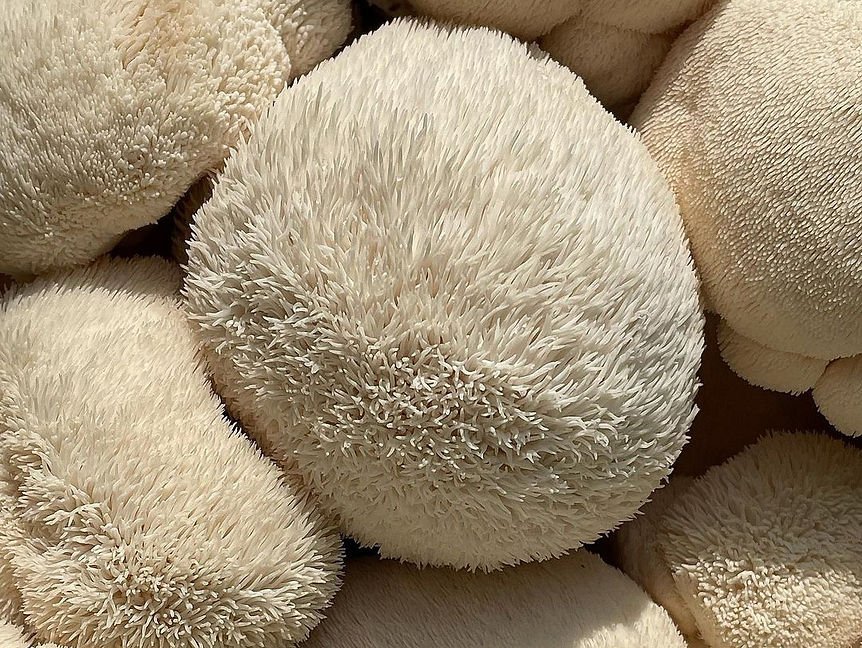
Organic Lion’s Mane Mushroom Extract Powder Review: The Ultimate Guide to Nature’s Brain-Boosting Superfood
If you’ve been exploring natural ways to support your brain health, memory, and overall wellness, you’ve likely come across Organic Lion’s Mane Mushroom Extract Powder. This ancient medicinal mushroom has surged in popularity among health enthusiasts, biohackers, and anyone looking to enhance their cognitive function naturally.
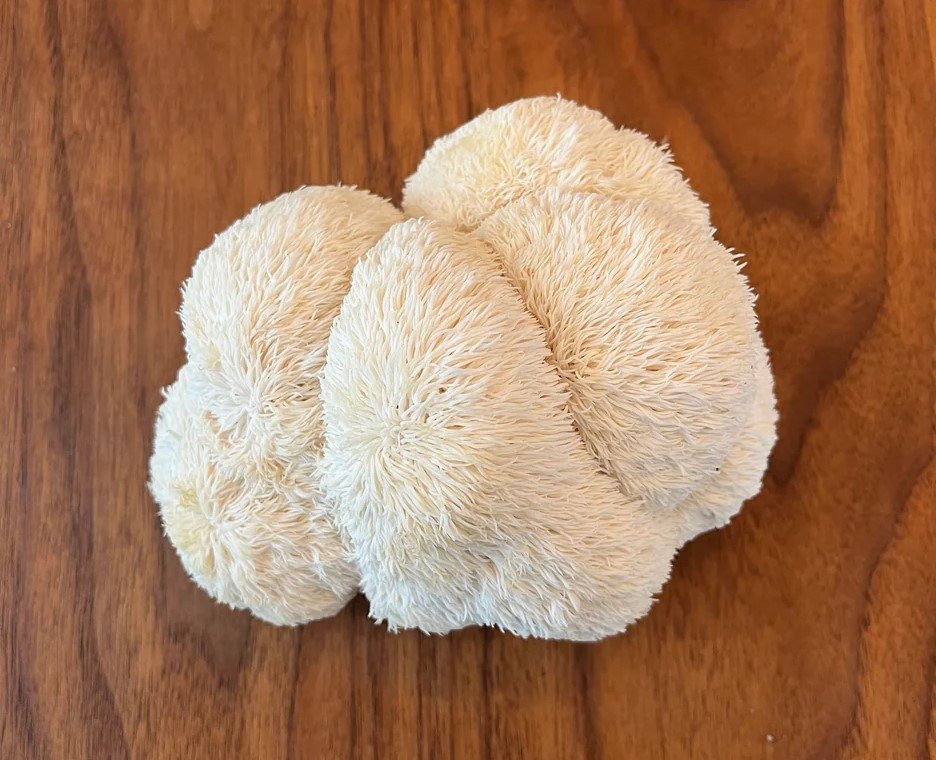
In this comprehensive Organic Lion’s Mane Mushroom Extract Powder Review, we’ll dive deep into what makes this supplement so special, its potential benefits, how to use it, and whether it deserves a spot in your daily routine.
Table of Contents
The History and Traditional Use of Lion’s Mane
Lion’s mane isn’t a trendy newcomer to the supplement scene. This powerful mushroom has been used for centuries in traditional Chinese medicine, generally as a tonic to relieve stress, anxiety, and depression. It is an edible mushroom that has been treasured in Eastern wellness practices for its powerful cognitive-boosting abilities. Buddhist monks are also said to have used lion’s mane powder as a tea to enhance brain power and heighten their focus during meditation.
The mushroom typically grows on the trunks of dead hardwood trees and has distinctive long, white dangling spines that resemble a lion’s mane, hence its memorable name. Today, it is cultivated commercially and processed into various supplement forms, with organic extract powder being one of the most popular and versatile options on the market.
What Makes a Lion’s Mane Powder “Organic”?
When you see the label “organic” on a lion’s mane mushroom extract powder, it means the mushrooms were grown without synthetic pesticides, herbicides, or GMOs. The best products are certified organic, gluten-free, vegan, and non-GMO and third-party tested, because quality matters.
Choosing organic is especially important when it comes to mushroom supplements. Mushrooms are natural bio-accumulators, meaning they absorb nutrients and also contaminants from their growing environment. By choosing a certified USDA Organic product, you ensure that the lion’s mane mushroom was cultivated in a clean, controlled environment free from harmful chemicals.
Key Active Compounds in Lion’s Mane
What makes lion’s mane so special compared to other mushrooms? It all comes down to its unique bioactive compounds:
Hericenones and Erinacines
Lion’s mane contains hericenones (derived from the fruiting body of the mushroom) and erinacines (derived from the mycelia of the mushroom). These two compound families are what set lion’s mane apart from every other medicinal mushroom on the planet. Hericenones and erinacines can induce nerve growth factor (NGF) synthesis in nerve cells, which is essential for the maintenance of the basal forebrain cholinergic system.
Interestingly, both hericenones and erinacines can easily cross the blood–brain barrier, promote nerve growth factor synthesis and secretion, and have been shown to exert anti-neuroinflammatory and neuroprotective properties.
Beta-Glucans
Beta-glucans are polysaccharides found abundantly in mushrooms and are key drivers of immune support. The beta-glucan content of lion’s mane may help promote healthy immune function, giving the body better resilience against everyday challenges. When reviewing organic lion’s mane extract powders, the beta-glucan content is one of the most important quality markers to check. High-quality extracts are hot-water extracted and contain 30%+ beta-glucans for effective cognitive and immune support.
Top Benefits of Organic Lion’s Mane Mushroom Extract Powder
1. Cognitive Function and Mental Clarity
This is the benefit most people associate with lion’s mane and for good reason. Lion’s mane is widely respected for its natural support for brain, nerve, and overall cognitive health. It has gained strong global popularity because of its unique compounds, including beta-glucans and hericenones, which are studied for their potential ability to support nerve growth and protect brain cells. This makes lion’s mane especially valued by students, professionals, and anyone looking to maintain sharper focus, better memory, and improved mental clarity in daily life.
2. Memory Support
Research in adults with mild memory problems associated with aging found that those taking lion’s mane mushroom powder had improved memory function compared with control participants who did not ingest the mushroom. This makes it a compelling supplement for aging adults concerned about cognitive decline.
3. Mood and Emotional Wellbeing
Lion’s mane has been purported to improve cognition and relieve anxiety and depression. The mushroom extract could help relieve mild symptoms of depression and anxiety due to its anti-inflammatory effects and ability to regenerate brain cells, particularly in the hippocampus region responsible for emotional responses.
4. Nerve Health and Neuroprotection
Modern studies demonstrate that components such as polysaccharides and erinacine A exert neuroprotective effects. These compounds appear to promote neurite outgrowth, enhance levels of nerve growth factor (NGF), and mitigate neuroinflammatory responses, which collectively support neuronal survival and repair.
Lion’s mane fruiting bodies have also been reported to improve functional activity and nerve regeneration following nerve crush injuries.
5. Digestive Health
This functional mushroom is often used in digestive wellness regimens. Its inclusion in gut-focused supplement stacks makes it a smart addition for those seeking everyday internal harmony. It may help reduce inflammation, aid in digestion, and improve overall gut health alongside mental clarity and nervous system function.
6. Immune System Support
Lion’s mane is an edible, medicinal fungus containing bioactive polysaccharides that show promising properties, including anti-tumor, antioxidant, anti-proliferative, and anti-inflammatory effects. These properties contribute to a well-rounded immune support system.
7. Stress Resilience
Lion’s mane is a popular choice in wellness routines that promote balance and resilience. It pairs well with practices that support a calm, steady mindset and can be a great natural addition to your stress management toolkit.
How to Use Organic Lion’s Mane Mushroom Extract Powder
One of the best things about lion’s mane extract in powder form is its incredible versatility. Here are the most popular ways to incorporate it into your daily routine:
- Hot Beverages: Mix organic lion’s mane extract powder into hot beverages like coffee, tea, or hot chocolate for a health-boosting drink.
- Smoothies: Add organic lion’s mane extract powder to your smoothies for a nutritious and earthy flavor.
- Soups and Broths: Stir organic lion’s mane extract powder into soups or broths for added nutritional benefits.
- Baked Goods & Recipes: This versatile powder can also be added to sauces, broths, or baked goods for a savory boost.
Recommended Dosage
Most studies have tested doses ranging from 1 gram to 3.2 grams of powdered lion’s mane fruiting bodies per day. Most commercial products suggest starting with a smaller daily dose around 1 to 2 grams per day and adjusting based on your body’s response.
When to Expect Results
Most users feel improved clarity within a few weeks, with deeper benefits after 60–90 days of consistent use. Consistency is key when supplementing with lion’s mane. Don’t expect overnight miracles; give it time to work synergistically with your body.
What to Look for When Buying Organic Lion’s Mane Extract Powder
Not all lion’s mane supplements are created equal. Here’s a checklist of what to look for in a high-quality product:
1. Fruiting Body vs Mycelium
The best brands use 100% organic lion’s mane mushrooms (fruiting body only), not mycelium grown on grain. Their extracts are hot water extracted and tested to ensure they contain meaningful levels of active compounds like beta-glucans, which many grain-based products lack. This ensures you’re getting a pure, potent product that delivers the benefits lion’s mane is known for, without unwanted starches or fillers.
2. Extraction Method
High-quality lion’s mane mushroom extract is cultivated on wood, dried, powdered, and steam extracted for several hours to ensure bioavailability and ease of absorption. Look for products that use hot water extraction, as this process is essential for breaking down the tough chitin cell walls of the mushroom and making the beneficial compounds bioavailable.
3. Beta-Glucan Testing
The best products test specifically for beta-glucans, as these are the most well-researched, beneficial compounds in mushrooms. Aim for products with at least 20–30% beta-glucan content.
4. Certifications
Look for the following certifications:
- USDA Organic
- Non-GMO
- Gluten-Free
- Vegan
- Kosher
- Products manufactured in an FDA-registered and GMP-compliant facility offer the highest level of quality assurance.
5. No Fillers or Additives
The best brands test for starch content, which confirms that products contain no fillers of any kind just 100% pure real mushrooms. Avoid products that list unnecessary additives, fillers, or flow agents on their ingredient label.
Safety and Side Effects
Lion’s mane is generally recognized as safe and has not been linked to significant adverse effects during therapy. However, researchers advise that there are currently no standardized guidelines to ensure all commercially available products are safe and effective. No large-scale studies involving humans have examined the long-term side effects of lion’s mane mushroom or its extract.
If you are pregnant, nursing, taking medications, or have an existing medical condition, it’s always best to consult with a healthcare professional before starting any new supplement, including organic lion’s mane mushroom extract powder.
Organic Lion’s Mane Extract Powder vs. Other Forms
Lion’s mane is available in many forms capsules, tinctures, gummies, and whole dried mushrooms. So why choose organic extract powder specifically?
- Versatility: The powder form can be mixed into virtually anything from your morning coffee to dinner recipes.
- Bioavailability: Extracted powders (especially hot-water extracted) offer higher bioavailability compared to raw mushroom powder.
- Customizable Dosing: With powder, you can easily adjust your dosage up or down.
- No Capsule Fillers: Unlike capsules, pure powder eliminates the need for additional binding agents.
Lion’s mane mushroom powder is made from carefully dried and finely ground lion’s mane mushrooms, prized for their delicate, mild flavor and smooth texture. With its subtle, earthy taste, it blends easily into teas, coffees, smoothies, and soups.
Who Should Consider Taking Lion’s Mane Extract Powder?
Organic lion’s mane mushroom extract powder can benefit a wide range of individuals:
- Students looking for natural focus and memory support during study sessions.
- Professionals seeking sustained mental clarity without the jitters of caffeine.
- Older Adults concerned about age-related cognitive decline.
- Athletes interested in nerve health and recovery support.
- Anyone looking to support their immune system, gut health, and stress resilience naturally.
The powder is suitable for all age groups and safe for daily use.
Final Verdict: Is Organic Lion’s Mane Mushroom Extract Powder Worth It?
Based on our thorough review, organic lion’s mane mushroom extract powder is one of the most promising natural supplements available today. Its unique ability to stimulate nerve growth factor production, support cognitive function, boost immune health, and promote digestive wellness makes it a true standout in the functional mushroom category.
However, it’s essential to choose a high-quality, certified organic product made from fruiting bodies, extracted with hot water, and tested for beta-glucan content. Not all products on the market meet these standards, so do your due diligence.
While the research is extremely promising, more large-scale human studies are needed. That said, the centuries of traditional use combined with modern preclinical and early clinical evidence make organic lion’s mane extract powder a worthwhile addition to most health-conscious routines.
Scientific References
The following published studies and reviews provide the scientific foundation for the benefits discussed throughout this article:
- Mori, K., et al. (2009). “Improving effects of the mushroom Yamabushitake (Hericium erinaceus) on mild cognitive impairment: a double-blind placebo-controlled clinical trial.” Phytotherapy Research, 23, 367–372. — This landmark double-blind, placebo-controlled clinical trial demonstrated cognitive benefits in individuals with mild cognitive impairment.
- Zhang, C-C., et al. (2017). “Chemical constituents from Hericium erinaceus promote neuronal survival and potentiate neurite outgrowth via the TrkA/Erk1/2 pathway.” International Journal of Molecular Sciences, 18, 1659. — This study showed that chemical constituents from lion’s mane promote neuronal survival and potentiate neurite outgrowth.
- Ma, B-J., et al. (2010). “Hericenones and erinacines: stimulators of nerve growth factor (NGF) biosynthesis in Hericium erinaceus.” Mycology, 1(2), 92–98. — This study confirmed that hericenones and erinacines stimulate synthesis of NGF in vitro.
- Surendran, G., et al. (2025). “Acute effects of a standardised extract of Hericium erinaceus (Lion’s Mane mushroom) on cognition and mood in healthy younger adults.” Frontiers in Nutrition, 12, 1405796. — This study examined the acute cognitive and mood effects of lion’s mane in healthy younger adults.
- Menon, A., et al. (2025). “Benefits, side effects, and uses of Hericium erinaceus as a supplement: a systematic review.” Frontiers in Nutrition, 12, 1641246. — This systematic review confirmed promising neuroprotective, anti-tumor, antioxidant, anti-proliferative, and anti-inflammatory properties.
- Phan, C-W., et al. (2013). “Neurotrophic properties of the Lion’s mane medicinal mushroom, Hericium erinaceus.” International Journal of Medicinal Mushrooms. — This study evaluated the synergistic interaction between lion’s mane aqueous extract and exogenous NGF on neurite outgrowth stimulation.
- Frontiers in Pharmacology (2025). “Unveiling the role of erinacines in the neuroprotective effects of Hericium erinaceus: a systematic review in preclinical models.” — This review detailed how erinacine A attenuates neurotoxicity through the upregulation of pro-survival pathways.
- LiverTox – NCBI Bookshelf (2024). Lion’s Mane Safety Profile. — Confirmed that lion’s mane is generally recognized as safe and has not been linked to liver injury.
Disclaimer: This article is for informational purposes only and should not be considered medical advice. The statements in this article have not been evaluated by the Food and Drug Administration. This product is not intended to diagnose, treat, cure, or prevent any disease. Always consult a qualified healthcare professional before starting any supplement regimen.

With a Bachelor’s in Biology and Health and a Master’s degree in Quality Control of Foods and Drugs, I review dietary supplements using scientific analysis, ingredient verification, and safety standards to provide transparent and reliable recommendations.
6 Comments
Comments are closed.